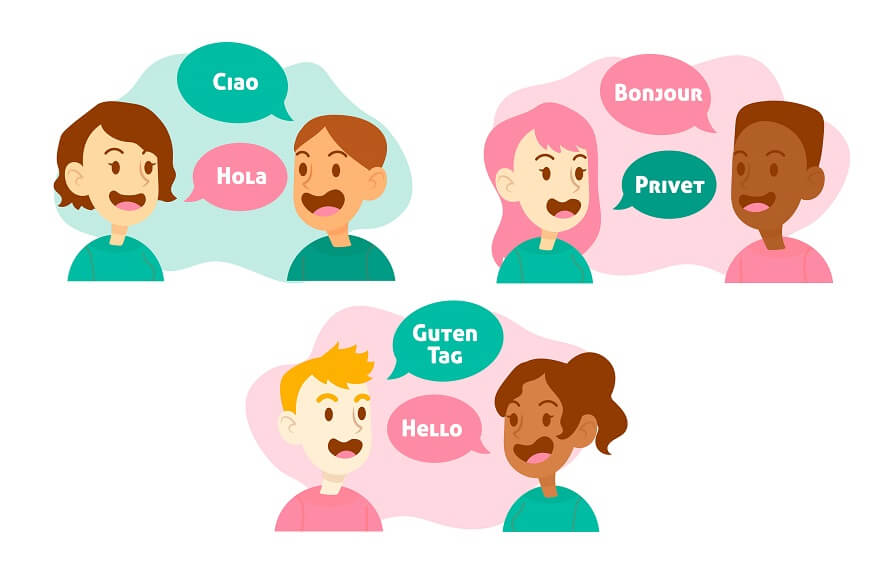
In the past, families hardly ever gave language choice much thought and it was frequently considered a standard component of school entrance. Since the most latest CBSE language options 2026 are pushing parents to consider more carefully how other languages may suit their child’s learning style, confidence, and future growth, the situation has drastically changed.
Many families now spend time understanding language options before choosing a school. While some people may initially feel uncertain, others may find this process interesting. Because of this, they often reach out to schools for guidance on which language would suit the child best, especially Schools in Nagpur, where clear and simple communication helps in making confident decisions.
Why Language Choice Feels Bigger Now?
In earlier days, student’s options for language instruction in schools were limited to what was predetermined by the system. These days, schools are shifting toward more flexible alternatives, and language choice is starting to play a bigger role in admissions discussions.
How Language Choices Are Discussed in Schools
At a Top school in Nagpur, language selection often becomes a key point of discussion, with a focus on simplicity for beginners, future usefulness, and how well a language connects with a student’s interest and comfort level.
Growing Focus During Admissions
These discussions are now very common, as families try to make more informed and confident language choices for their children’s future learning.
Understanding the 22 Scheduled Languages
The official languages acknowledged by the Indian Constitution are included in the list of 22 scheduled languages. These languages serve as a representation of the nation’s various regions and cultures.
Some examples include:
- Marathi
- Hindi
- Sanskrit
- Bengali
- Tamil
- Gujarati
- Punjabi
The purpose of Indian constitution languages school education is not only academic learning. It also helps students understand India’s diversity. Many people are now trying to understand how these language choices will work in a student’s daily school life and learning routine.
Why Students Should Not Rush the Decision?
Sometimes students choose a language simply because friends are choosing it. But language learning does not work the same way for everyone. One child may enjoy reading and writing.
Another may learn better through speaking and listening. That is why choosing regional language R3 should always depend on the student’s comfort and interest. For example, a child who already hears Marathi at home may feel more comfortable learning it in school. Another student may enjoy Sanskrit because of interest in ancient literature and culture. This is why many families visiting a Best School in Nagpur now discuss language selection carefully instead of deciding quickly.
What Parents Should Actually Check?
Parents often focus only on marks, but there are several other important factors to consider while choosing regional language R3. It is important to check whether the child enjoys the language, whether the script is easy to understand, whether the school provides proper teacher support, and whether the child can manage the subject comfortably without stress. Many schools are now guiding families through these questions to help them make better decisions. In fact, several CBSE Schools in Amravati Road also provide proper guidance and support to help families understand language choices in a clear and practical way.
Why Every Language Feels Different?
Each language creates a different learning experience for students, as every child connects with languages in their own unique way. Some languages focus more on grammar, while others give more importance to reading and communication. Certain students enjoy storytelling and literature-based learning, whereas others feel more comfortable with practical communication and everyday usage. This is why the 22 scheduled languages list should not be viewed as a ranking system, because there is no single “best” language for every student. The aim of Indian constitution languages school learning is to give students exposure, awareness, and confidence so they can appreciate linguistic diversity and choose what suits them best.
How Schools Are Helping Families?
Nowadays, a lot of schools recognise that parents need more than simply a language selection form; they also require appropriate guidance. To help families make decisions, they provide a detailed explanation of the syllabus structure, teaching strategies, exam patterns, and total student burden. Because some parents may initially find the CBSE language options 2026 system bewildering, this help is particularly crucial. While understanding how language subjects fit into a student’s overall learning, many CBSE school in Nagpur are now focusing on explaining the practical classroom experience of language learning.
Why Interest Matters More Than Trends?
Many parents still search for the “highest scoring” language. But scoring depends heavily on student comfort and consistency. If a child dislikes the language completely, learning becomes stressful over time. On the other hand, students usually perform better when they enjoy the subject. That is why experts say choosing regional language R3 should focus more on interest than trends. A CBSE school in Nagpur is now being chosen more for student-friendly learning approaches rather than focusing only on exam results, as education priorities continue to shift.
How Language Learning Helps Beyond Exams?
Language learning is not only useful for improving report cards, but also plays a bigger role in a student’s overall development. It helps students build better communication skills, gain confidence, understand different cultures, and improve their listening ability in real-life situations. This broader learning approach is now being encouraged instead of focusing only on memorisation. The main idea of Indian constitution languages school education is to help students appreciate India’s diversity and different ways of communication, which is why many people now ask more detailed questions to understand how language learning supports long-term growth.
What Makes a Language Easier for Students?
A language usually feels easier when students hear it regularly, enjoy practising it, or feel connected to it emotionally. For example, students who hear Marathi daily may feel more comfortable learning it formally, while others may prefer Sanskrit because of its structured grammar and literature. Instead of choosing the most popular option from the 22 scheduled languages list, parents should focus on selecting a language that the child can learn comfortably and confidently. This is why many families visiting a School in Nagpur now ask how schools support beginners in language learning.
Mistakes Families Should Avoid
One common mistake is choosing based only on public opinion. Another mistake is ignoring the child’s own preference. Sometimes families also assume that all languages require the same level of effort. But every student experiences language learning differently. The latest CBSE language options 2026 system gives flexibility, but it also requires careful planning. Several CBSE Schools in Amravati Road now encourage parents to discuss language comfort openly before finalising admissions.
Why Balanced Learning Is Important?
Students today already manage homework, tuition classes, projects, and extracurricular activities, which can make their daily schedule quite demanding. Because of this, language learning should not add unnecessary pressure on them. The latest curriculum is designed to make education more flexible, practical, and meaningful so that students can learn without feeling overloaded. This is why schools are now encouraging a more balanced approach to learning instead of forcing students into difficult or uncomfortable choices. These days, a best school in Nagpur is picked more and more for its focus on thorough growth, where student development is matched with academic and linguistic skills.
How Schools Are Making Language Learning Better?
Modern schools are working to make language learning more interactive and engaging for students. Instead of relying only on textbooks, they are using methods like storytelling, conversations, activities, and cultural programmes to make lessons more practical and enjoyable. This approach helps students understand languages in a real-life context rather than just memorising content. Many schools in Nagpur are already adopting activity-based language learning methods to improve student interest, where speaking practice and active classroom participation are becoming an important part of learning.
What Actually Matters Most While Choosing?
At the end of the day, there is no single perfect answer when choosing a language. The right choice depends on the student’s interest, comfort, learning style, and confidence level. The expanded 22 scheduled languages list gives students more opportunities, but language selection should never feel stressful or forced. The aim of Indian constitution languages school learning is to help students understand different cultures and communities across India. Parents should simply choose a language that feels comfortable and interesting for the child, because students learn better when they genuinely enjoy the subject.
FAQs
What is the 22 scheduled languages list?
The 22 scheduled languages list includes the officially recognised languages mentioned in the Indian Constitution.
What is choosing regional language R3?
Choosing regional language R3 means selecting a third language in school based on student comfort and interest.
What are CBSE language options 2026?
CBSE language options 2026 give students more flexibility in language selection and learning.
Why is language choice important during School admission in Nagpur?
Language options are now discussed during School admission in Nagpur to understand student workload and learning support
How are schools improving language learning?
Schools are using activities, storytelling, and speaking practice to make language learning more interactive and enjoyable.
Conclusion
Families’ perceptions of language learning in schools have been altered by the most recent CBSE language options 2026. The list of 22 planned languages is now available to students, providing them with greater exposure and freedom. But the wisest choice isn’t usually the most well-liked one. Selecting regional language R3 becomes much simpler and more important when parents, schools, and students collaborate. Students can enjoy learning a language rather than feel under pressure if they have the proper help.
At Centre Point School, we help students and parents make informed language choices through proper guidance, interactive learning methods, and student-friendly support systems. Our approach focuses on building confidence and making language learning practical, comfortable, and meaningful for every child.
As one of the CBSE Schools in Amravati Road, the school focuses on nurturing communication skills and overall development, so students feel comfortable expressing themselves in different languages and enjoy the learning process. Enquire Now to explore admissions and discover how learning can be more engaging for your child.